
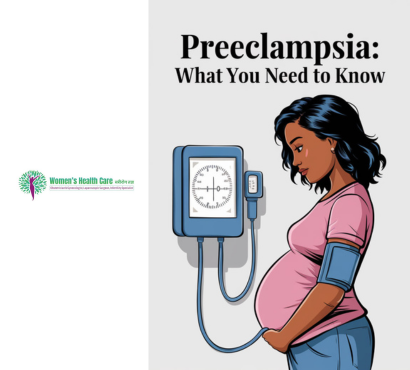
Preeclampsia in pregnancy is a serious medical condition characterized by high blood pressure and signs of organ damage, most commonly affecting the liver and kidneys. It typically develops after the 20th week of pregnancy and requires close monitoring to protect both the mother and baby.
Although many women experience healthy pregnancies, preeclampsia remains one of the leading causes of pregnancy-related complications worldwide. Early diagnosis and timely medical care significantly reduce the risks associated with this condition.
Understanding the warning signs, risk factors, and treatment options helps ensure safer pregnancy outcomes.
What Is Preeclampsia?
Preeclampsia is a pregnancy complication involving:
- High blood pressure
- Protein in urine (proteinuria)
- Swelling in hands, feet, or face
- Organ function changes
It usually occurs after 20 weeks of pregnancy and may continue until delivery if untreated.
In severe cases, it can affect:
- Brain
- Liver
- Kidneys
- Placenta
Early detection plays a crucial role in preventing serious complications.
Why Preeclampsia Happens
The exact cause of preeclampsia is not completely understood. However, experts believe it develops due to abnormal functioning of blood vessels supplying the placenta.
Possible contributing factors include:
- Poor placental blood flow
- Immune system response changes
- Genetic influences
- Hormonal imbalances
Placental dysfunction affects oxygen and nutrient delivery to the baby, increasing health risks.
Risk Factors for Preeclampsia
Some women have a higher chance of developing preeclampsia.
Common risk factors include:
First Pregnancy
Women are more likely to develop preeclampsia during their first pregnancy.
Multiple Pregnancy
Carrying twins or triplets increases risk.
High Blood Pressure Before Pregnancy
Existing hypertension increases complications.
Diabetes
Blood sugar imbalance affects vascular health.
Obesity
Higher body weight increases pregnancy risks.
Age Above 35 Years
Advanced maternal age increases vulnerability.
Family History of Preeclampsia
Genetic factors may contribute.
Identifying risk factors allows closer monitoring during pregnancy.
Warning Signs of Preeclampsia
Early symptoms may appear mild but should never be ignored.
Common warning signs include:
High Blood Pressure
Often detected during routine prenatal visits.
Swelling (Edema)
Typically affects:
- Face
- Hands
- Feet
Protein in Urine
Detected through urine testing.
Severe Headache
Persistent headaches may indicate neurological involvement.
Vision Changes
Symptoms include:
- Blurred vision
- Light sensitivity
- Temporary vision loss
Upper Abdominal Pain
Usually occurs below the ribs on the right side.
Prompt medical attention is necessary if these symptoms occur.
Symptoms of Severe Preeclampsia
Severe preeclampsia can lead to life-threatening complications.
Symptoms include:
- Severe headache
- Breathing difficulty
- Reduced urine output
- Persistent vomiting
- Sudden weight gain
- Severe swelling
- Confusion
Immediate medical care is essential in such cases.
How Preeclampsia Affects the Baby
Preeclampsia can interfere with placental blood flow, affecting fetal development.
Possible complications include:
Restricted Fetal Growth
Baby receives less oxygen and nutrients.
Premature Birth
Early delivery may become necessary.
Low Birth Weight
Growth restriction impacts birth weight.
Placental Abruption
Placenta separates from uterus prematurely.
Close monitoring helps reduce these risks.
How Preeclampsia Affects the Mother
Untreated preeclampsia can cause serious maternal complications.
These include:
- Liver damage
- Kidney dysfunction
- Stroke risk
- Fluid accumulation in lungs
- Blood clotting abnormalities
Timely treatment protects maternal health.
How Preeclampsia Is Diagnosed
Diagnosis involves regular prenatal monitoring and laboratory tests.
Doctors evaluate:
Blood Pressure Monitoring
Persistent high readings confirm concern.
Urine Testing
Detects protein levels.
Blood Tests
Assess:
- Liver function
- Kidney function
- Platelet count
Ultrasound Examination
Monitors baby’s growth and placental health.
These tests help determine severity and guide treatment planning.
Treatment Options for Preeclampsia
Treatment depends on:
- Severity
- Gestational age
- Maternal health
- Baby’s condition
Management strategies aim to balance maternal safety and fetal development.
Monitoring Mild Preeclampsia
In mild cases, doctors may recommend:
- Frequent prenatal visits
- Blood pressure monitoring
- Urine testing
- Rest and observation
Close supervision helps prevent disease progression.
Medications Used in Preeclampsia Treatment
Doctors may prescribe medications to control symptoms.
These include:
Blood Pressure Medications
Help prevent complications such as stroke.
Magnesium Sulfate
Reduces seizure risk in severe cases.
Medication selection depends on pregnancy stage.
Role of Early Delivery in Severe Cases
In severe preeclampsia, early delivery may be necessary to protect both mother and baby.
Decision depends on:
- Gestational age
- Severity of symptoms
- Baby’s health condition
Delivery remains the only definitive cure for preeclampsia.
Importance of Regular Antenatal Check-Ups
Routine pregnancy check-ups play a critical role in detecting preeclampsia early.
Regular monitoring helps:
- Track blood pressure changes
- Detect urine protein levels
- Monitor fetal growth
- Prevent complications
Consistent prenatal care ensures safer pregnancy outcomes.
Lifestyle Measures That Help Reduce Risk
Although preeclampsia cannot always be prevented, certain measures support healthier pregnancy outcomes.
Helpful practices include:
- Balanced nutrition
- Regular prenatal visits
- Moderate physical activity
- Maintaining healthy weight
- Controlling diabetes and blood pressure
- Adequate hydration
Healthy habits contribute to overall pregnancy safety.
When to Seek Immediate Medical Care
Urgent consultation is necessary if symptoms appear such as:
- Severe headache
- Blurred vision
- Sudden swelling
- Breathing difficulty
- Reduced fetal movement
- Upper abdominal pain
Early treatment prevents serious complications.
Long-Term Effects of Preeclampsia
Women who develop preeclampsia may have increased risk of future health conditions.
These include:
- Hypertension later in life
- Heart disease risk
- Future pregnancy complications
Regular follow-up after delivery supports long-term health monitoring.
FAQ
1. Can preeclampsia occur without symptoms?
Yes. Many women experience no noticeable symptoms initially, which is why regular prenatal check-ups are essential.
2. Does preeclampsia go away after delivery?
In most cases, symptoms improve after delivery, but monitoring continues for several weeks postpartum.
3. Can preeclampsia affect future pregnancies?
Yes. Women who had preeclampsia once may have a higher risk in future pregnancies, though proper monitoring reduces complications.